Choosing the Right Wood for Outdoor Projects
When planning outdoor projects such as furniture, decks, or structural elements, selecting an appropriate wood species is a fundamental step that influences both the building process and the long-term performance of the finished piece. The choice among cedar, teak, and pressure-treated pine involves evaluating several factors, including resistance to weather, cost considerations, and ease of working with the material. Each species offers distinct characteristics that may suit different project requirements and environmental conditions. Understanding these differences can help in making an informed decision that aligns with the specific goals and constraints of a project.
This article examines cedar, teak, and pressure-treated pine in terms of their weather resistance, cost, and workability. It provides a comparative overview without endorsing any single option, as the best choice depends on the unique demands of each project. Factors such as local climate, intended use, maintenance expectations, and budget will all play a role in the decision-making process. By exploring the properties of each wood type, builders and hobbyists can better assess which material might be most suitable for their outdoor endeavors.
Weather Resistance Characteristics
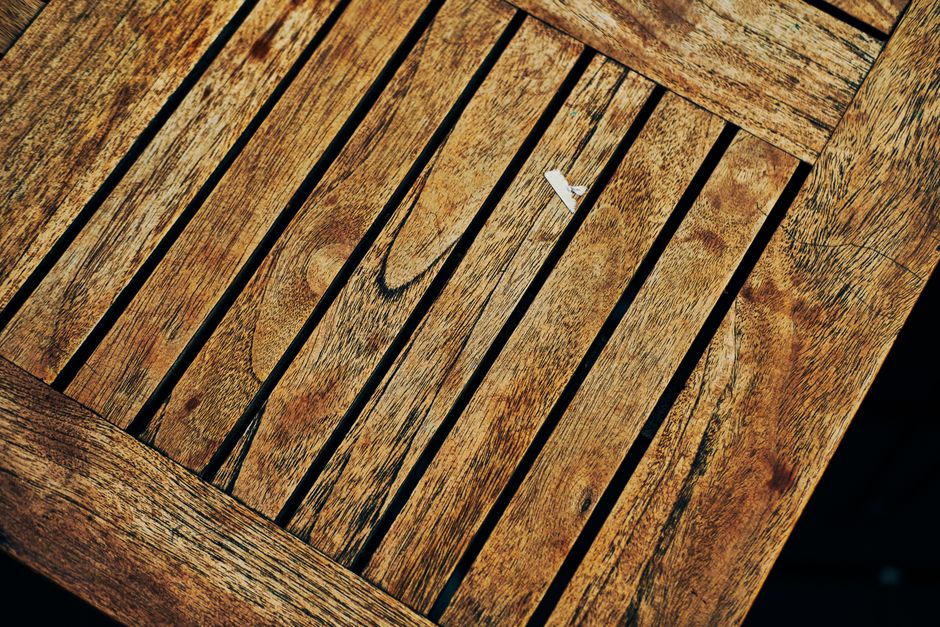
Weather resistance is a critical attribute for any wood used outdoors, as it determines how well the material can withstand exposure to moisture, sunlight, temperature fluctuations, and biological threats such as insects and fungi. Cedar, teak, and pressure-treated pine each possess different natural or treatment-based protections that affect their durability in outdoor settings. Cedar contains natural oils and acids that provide some resistance to decay and insects, although it may still require periodic sealing or staining to maintain its appearance and longevity. Teak is renowned for its high natural oil content, which makes it exceptionally resistant to water, rot, and pests, often allowing it to weather to a silver-gray patina without structural compromise. Pressure-treated pine undergoes a chemical treatment process that infuses preservatives into the wood, offering protection against decay and termites, though the treatment may not provide the same level of natural water repellency as teak or cedar.
The performance of these woods in outdoor conditions can vary based on factors such as climate, exposure to direct sunlight, and maintenance practices. In humid or rainy regions, teak’s natural oils tend to provide a high degree of protection, while cedar may perform well in drier climates but could benefit from additional protective finishes. Pressure-treated pine is widely used in structural applications like decks and fences, where its treated nature helps resist rot, but it may require more frequent inspection and maintenance to address cracks or surface degradation over time. It is important to note that no wood is entirely maintenance-free, and regular care can extend the service life of any outdoor project regardless of species.
Weather resistance is not absolute; it is influenced by ongoing maintenance, local climate, and the specific exposure conditions of the project.
When comparing these three options, teak generally offers the highest natural durability, followed by cedar, with pressure-treated pine relying on chemical treatment for its resistance. However, the actual lifespan of the wood will depend on how well it is cared for and the environmental stresses it encounters. For projects where minimal maintenance is desired, teak might be a preferred choice, while cedar could be suitable for those seeking a balance between natural resistance and cost. Pressure-treated pine remains a practical option for budget-conscious projects that can accommodate regular upkeep.
Cost Considerations and Budgeting
Cost is often a primary factor in material selection, and the three wood types vary significantly in price due to availability, harvesting practices, and processing requirements. Teak is typically the most expensive option, as it is often imported from tropical regions and has a reputation for premium quality. Cedar falls in the mid-range, with prices influenced by species (such as Western Red Cedar) and local availability. Pressure-treated pine is generally the most affordable, as pine is abundantly grown and the treatment process adds moderate cost. For large-scale projects, the price difference can be substantial, making pressure-treated pine an attractive choice for those working within tight budgets.
Beyond the initial purchase price, it is essential to consider long-term costs associated with maintenance, repairs, and potential replacement. Teak’s high durability may reduce the need for frequent refinishing, but its upfront cost can be prohibitive for some projects. Cedar requires periodic sealing or staining to preserve its appearance and resistance, which adds to the overall investment. Pressure-treated pine may need more frequent maintenance and could have a shorter lifespan in certain conditions, leading to potential replacement costs over time. When budgeting, it is advisable to weigh the initial expense against the expected maintenance regimen and the desired lifespan of the project.
Availability also plays a role in cost; in some regions, certain species may be more readily accessible than others, affecting both price and convenience. Builders may find that local lumber yards stock pressure-treated pine consistently, while teak and cedar might require special ordering. This can impact project timelines and overall expenses. Therefore, a thorough cost analysis should include not only the wood itself but also the availability of complementary materials, finishes, and the value of one’s time for maintenance tasks.
Workability and Construction Factors
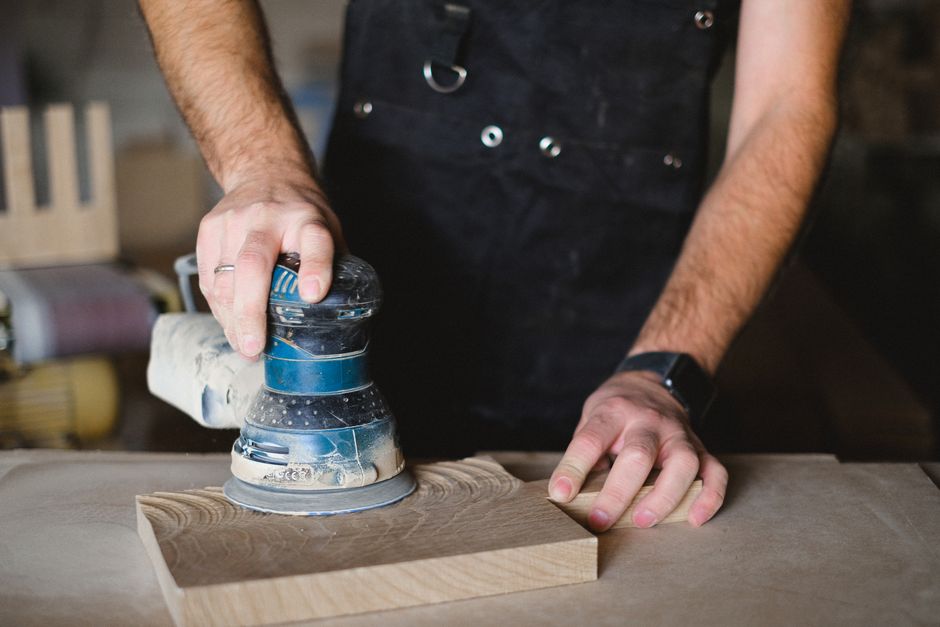
Workability encompasses how easily a wood can be cut, shaped, joined, and finished, which directly affects the construction process and the quality of the final product. Cedar is known for its lightweight and soft texture, making it relatively easy to work with using standard tools. It holds nails and screws well, though pre-drilling may be necessary to prevent splitting, especially near edges. Teak is denser and harder, which can dull tools more quickly and require sharper blades, but it machines cleanly and takes finishes well. Its natural oils can sometimes interfere with glue adhesion, so surface preparation is important. Pressure-treated pine, while softer than teak, can be more challenging to work with due to its moisture content and the presence of treating chemicals, which may cause corrosion of fasteners; using stainless steel or coated hardware is often recommended.
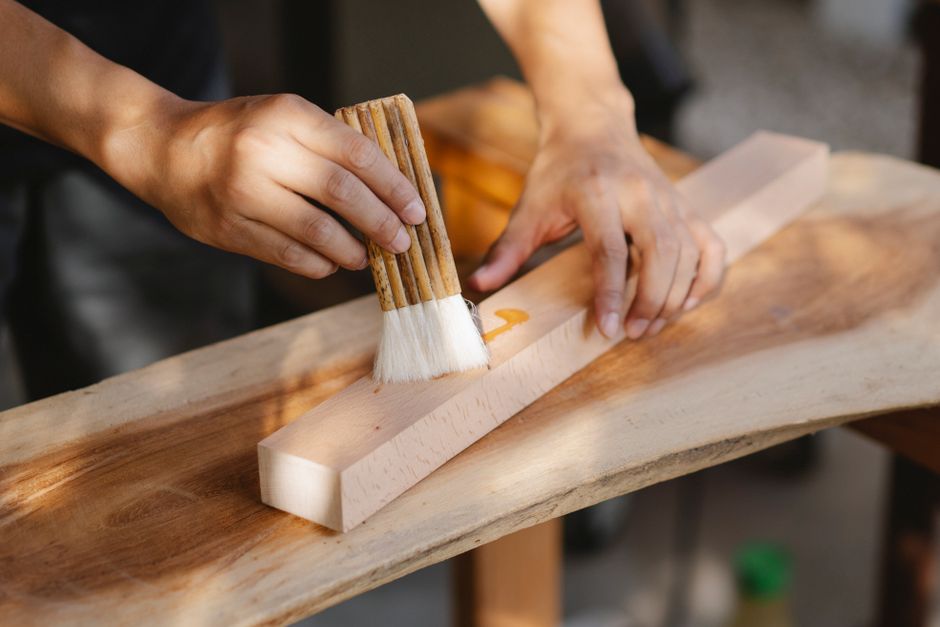
Each wood type has specific considerations for joining and finishing. Cedar and teak can be left to weather naturally or finished with oils or stains to enhance appearance. Pressure-treated pine is often painted or stained to improve aesthetics and add another layer of protection, but it should be allowed to dry adequately before applying finishes. The weight of the wood also matters: teak is heavy and dense, which can make handling large pieces more difficult, whereas cedar is lightweight and easier to maneuver, and pressure-treated pine falls in between. These factors can influence project design and the amount of labor required.
In terms of tool wear and safety, working with teak may require more frequent blade changes and the use of dust collection due to its density and oil content. Cedar produces fine dust that can be irritating, so wearing a mask is advisable. Pressure-treated pine sawdust may contain chemical residues, and it is important to follow safety guidelines, including wearing protective gear and disposing of waste properly. Overall, the workability of each wood type can impact the efficiency and enjoyment of the building process, and selecting a material that matches one’s skill level and available tools can lead to smoother project execution.
Making an Informed Choice
Choosing the right wood for outdoor projects requires a balanced assessment of weather resistance, cost, and workability in the context of the specific application. There is no universally superior option; rather, the ideal choice emerges from aligning the material’s properties with the project’s requirements and the builder’s priorities. For instance, a homeowner in a humid coastal area might prioritize rot resistance and opt for teak despite the higher cost, while a DIY enthusiast building a temporary structure might select pressure-treated pine for its affordability. Cedar offers a middle ground, providing decent natural resistance and ease of use for a variety of outdoor furniture and small structures.
It is also wise to consider the environmental impact and sourcing of the wood. Teak and cedar may be harvested from managed forests or have certifications such as FSC, while pressure-treated pine is often sourced domestically. These factors may influence the decision for those concerned with sustainability. Additionally, local building codes and HOA regulations might dictate acceptable materials for certain structures, so checking beforehand can prevent complications.
Ultimately, the decision should be based on a thorough understanding of the trade-offs involved. Consulting with lumber specialists, such as those at Grain & Tool, can provide valuable insights into the specific characteristics of available stock and help match the wood to the project’s needs. By evaluating the project’s exposure, maintenance willingness, budget, and desired lifespan, builders can make a choice that supports both practical and aesthetic goals, ensuring that the outdoor project remains functional and visually appealing for years to come.